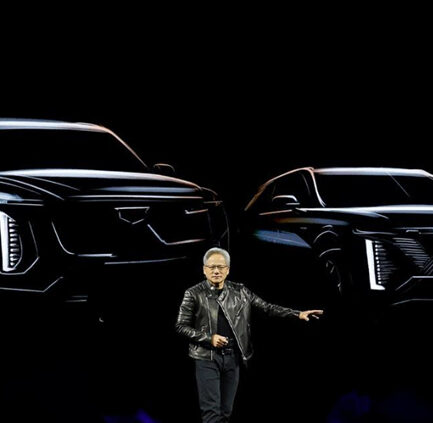


The global automotive industry is undergoing one of the most profound technological transformations in its history: the shift toward software-defined vehicles (SDVs) and the rapid expansion of automotive software patents. Traditionally, vehicles were designed primarily as mechanical machines with fixed capabilities determined at the time of manufacturing. Today, advances in connectivity, cloud computing, artificial intelligence, and high-performance computing are redefining vehicles as dynamic digital platforms powered by software.
A software-defined vehicle is a car whose core functions ranging from infotainment and safety systems to vehicle performance, and driver assistance are primarily controlled and continuously improved through software. This transformation allows manufacturers to update vehicles remotely, deploy new features long after purchase, and integrate vehicles into digital ecosystems connected to the cloud.
The growing importance of software has also led to a surge in automotive software patents, as companies race to secure patent protection for innovations related to connectivity, artificial intelligence, cybersecurity, and vehicle software platforms. These developments are reshaping the technological and competitive landscape of mobility.
As a result, the modern vehicle is evolving from a static machine into a continuously improving digital product, like smartphones or cloud-connected devices.
Software-Defined Vehicles (SDV) Transform the Automotive Industry
For decades, innovation in the automotive industry focused on mechanical engineering improvements such as engine performance, safety design, and manufacturing efficiency. Electronic components were gradually introduced through Electronic Control Units (ECUs), which controlled individual subsystems such as braking, steering, and powertrain management.
Modern vehicles can contain more than 80–100 ECUs controlling various subsystems. However, this fragmented architecture has become increasingly complex as vehicles integrate advanced technologies such as connectivity services, digital infotainment platforms, and autonomous driving capabilities.
The rise of the software-defined vehicle concept addresses this complexity by consolidating computing resources into centralized high-performance computing systems. Instead of dozens of independent ECUs, a smaller number of powerful processors manage multiple vehicle functions simultaneously.
This shift toward centralized computing has led to the development of a new software-defined vehicle architecture, enabling software modules to run on shared computing hardware. These architectures allow automakers to deploy new digital services and functionality without changing physical components.
According to an analysis by IoT Analytics, the global market for Software-Defined Vehicles (SDVs) is projected to grow from approximately $475 billion in 2025 to $1.6 trillion by 2030, highlighting the scale of transformation underway across the automotive ecosystem.
Core Technologies Enabling Software-Defined Vehicles
The development of software-defined vehicles relies on several foundational technologies that enable vehicles to function as digital platforms.
Centralized Computing and Zonal Architectures
One of the most important technological shifts is the move from distributed ECU systems toward centralized computing. Modern vehicles increasingly rely on high-performance computers that manage multiple vehicle domains simultaneously.
In zonal architectures, vehicle functions are organized by physical zones rather than by subsystem. This reduces wiring complexity and improves system efficiency while enabling easier software deployment across the vehicle.
These architectures enable a software-defined vehicle to run complex applications, manage sensor data, and support advanced driver assistance technologies more efficiently.
Vehicle Software Platforms and Middleware
A key component of a software-defined vehicle architecture is the software platform that connects hardware and applications.
These platforms typically include:
- operating systems
- middleware layers
- application programming interfaces (APIs)
- cloud integration services
Middleware plays a critical role by allowing developers to build software applications that run across multiple vehicle subsystems without rewriting code for different hardware components.
Over-the-Air Software Updates
Over-the-air (OTA) updates are among the most transformative features of software-defined vehicles. Instead of requiring physical service visits, vehicles can receive software updates remotely through wireless networks.
OTA updates allow manufacturers to:
- fix software bugs
- deploy new features
- improve vehicle performance
- strengthen cybersecurity protections
Research on vehicle software systems shows that OTA architectures significantly reduce the need for costly recall campaigns and enable faster deployment of software improvements.
Virtualization and Microservices
Modern software-defined vehicle platforms increasingly adopt cloud-native software technologies such as virtualization and microservices.
Virtualization enables multiple software environments to run on shared hardware systems, while microservice architectures divide complex applications into smaller modules that can be updated independently. This modular approach improves scalability and accelerates software deployment cycles.
Decoupling Hardware and Software in Vehicles
A defining feature of Software Defined Vehicles (SDVs) is the separation of software development cycles from hardware development cycles.
In traditional vehicles, new features typically required new hardware components and were introduced only when new models were released. In contrast, a software-defined vehicle allows features to be added or enhanced through software updates long after the vehicle has been sold.
For example, automakers can enable additional driver assistance capabilities, infotainment services, or performance enhancements through software upgrades.
This shift fundamentally changes the product lifecycle of vehicles. Instead of remaining static after purchasing, a software-defined vehicle continues to evolve over time through software improvements.
Artificial Intelligence and Autonomous Driving
Artificial intelligence is another critical component of software-defined vehicles.
AI algorithms enable numerous advanced vehicle functions, including:
- Autonomous-driving technologies
- Predictive maintenance systems
- Advanced driver assistance systems (ADAS)
- Intelligent voice assistants
- Personalized driver experiences
The integration of AI allows vehicles to process vast amounts of sensor data in real time, enabling features such as object detection, lane-keeping assistance, and automated navigation. Many companies are investing heavily in AI-based vehicle platforms as the race to develop fully autonomous driving systems intensifies.
Software-Defined Vehicles Examples from Leading Automakers
Several automakers and technology companies are already implementing software-defined vehicles as examples through advanced digital vehicle platforms.
Tesla is widely recognized as an early leader in this area, delivering continuous OTA updates that add new features and performance improvements to vehicles after purchase. Other companies have also launched major initiatives:
- Volkswagen Group developed its CARIAD software division to build integrated vehicle operating systems.
- General Motors introduced the Ultifi software platform to support cloud-connected vehicle services.
- Mercedes-Benz launched MB. OS, a centralized vehicle operating system designed for future SDV architectures.
Technology companies and suppliers are also playing important roles. Semiconductor companies, cloud providers, and software developers are collaborating with automakers to build scalable platforms for next-generation mobility.
Cybersecurity and Data Protection in Software-Defined Vehicles
As vehicles become increasingly connected, cybersecurity and data protection have become critical priorities. A software-defined vehicle connects to numerous external systems, including cloud platforms, mobile devices, and vehicle-to-everything communication networks. These connections expand the potential attack surface for cyber threats.
Researchers highlight that SDV architectures introduce new cybersecurity risks related to software vulnerabilities, supply-chain components, and third-party integrations. To address these risks, automakers are implementing comprehensive cybersecurity frameworks and regulatory standards such as:
- ISO/SAE 21434 automotive cybersecurity engineering standards
- UNECE cybersecurity regulations
- secure software development processes
These frameworks require manufacturers to monitor vulnerabilities, deploy security updates, and maintain secure software systems throughout a vehicle’s lifecycle.
Automotive Software Patents and Intellectual Property Strategy
Why Automotive Software Patents Are Growing Rapidly
The rise of Software-Defined Vehicles (SDVs) has dramatically expanded the role of intellectual property in the mobility ecosystem. Historically, automotive patents focused on mechanical innovations such as engine design and vehicle components. Today, however, many innovations occur in software systems, connectivity platforms, and AI-driven vehicle technologies. As a result, companies across the automotive industry are increasing their patent filings related to vehicle software platforms, data analytics systems, and connectivity technologies. Innovations protected by automotive software patents include:
- Vehicle operating systems
- OTA update mechanisms
- Digital twin simulations
- Cybersecurity frameworks
- AI-based driver assistance systems
These patents provide companies with patent protection for proprietary technologies that enable digital vehicle platforms.
Patent Applications for Software-Defined Vehicle Technologies
Companies developing SDV technologies frequently submit a patent application for innovations that support connected and intelligent vehicles. A typical patent application in this field may cover technologies such as:
- software orchestration systems for vehicles
- cloud-vehicle data synchronization
- autonomous perception algorithms
- real-time sensor fusion systems
Because of the rapid pace of innovation, many organizations are filing multiple patent application submissions to secure competitive advantages.
In the United States, developers seeking us patent software protection must satisfy several software patent requirements, including demonstrating novelty, technical implementation, and practical application. Meeting these requirements is essential for securing enforceable rights over new vehicle software technologies.
Strategic Importance of Patent-Protection
Securing patent-protection is becoming increasingly important for companies developing next-generation mobility platforms. Strong intellectual property portfolios allow companies to:
- protect proprietary technologies
- generate licensing revenue
- strengthen partnerships with technology providers
- maintain long-term competitive advantage
In some cases, leading technology companies hold what analysts consider the most valuable software patents in areas such as artificial intelligence, wireless connectivity, and vehicle operating systems. These patents can significantly influence market competition and technological leadership in the SDV ecosystem.
Standard-Essential Patents and Connectivity Licensing
Connectivity technologies are essential to the operation of software-defined vehicles, enabling communication between vehicles, infrastructure, and cloud services.
Many of these technologies rely on standardized wireless protocols such as 4G and 5G networks. The patents that protect these standards are known as standard-essential-patents (SEPs).
Companies such as telecommunications firms license these patents to automakers, enabling features like real-time navigation, vehicle-to-vehicle communication, and connected safety services. These licensing models illustrate how automotive software patents and telecommunications patents intersect in the connected vehicle ecosystem.
Future Innovation Areas for Automotive Software Patents
Several technological domains are expected to drive future patent application activity in the SDV ecosystem. Key areas of innovation include:
- Vehicle operating systems and middleware platforms
- AI algorithms supporting autonomous driving
- Vehicle-to-everything (V2X) communication technologies
- Advanced cybersecurity frameworks
- Cloud-vehicle integration platforms
- Digital twin simulation environments
As research in these areas expands, the number of automotive software patents is expected to increase significantly.
Conclusion
The rise of Software-Defined Vehicles (SDV) represents one of the most significant transformations in the history of mobility. Vehicles are evolving from static mechanical machines into dynamic digital platforms powered by software, connectivity, and artificial intelligence. This shift is reshaping the automotive industry, enabling new business models, faster innovation cycles, and enhanced vehicle capabilities. Technologies such as centralized computing architectures, cloud connectivity, and OTA updates are fundamentally changing how vehicles are designed, maintained, and improved.
At the same time, the growing importance of software is driving a surge in automotive software patents, as companies compete to secure intellectual property rights for the technologies that will define future mobility. From autonomous driving systems to vehicle operating systems and connectivity platforms, the next generation of transportation will be built on software innovation. Companies that successfully combine advanced engineering with strong patent protection strategies will play a decisive role in shaping the future of software-defined mobility.